2026-2029
Strategic Plan
Updated Four Year Plan
Every four years, the Grand Forks Region EDC develops a strategic plan that sets the direction for its economic development work across business attraction, workforce development, marketing, and stakeholder engagement. The current plan, covering 2026 through 2029, focuses on three target sectors: agribusiness and ag technology, advanced manufacturing, and autonomous systems and defense. It establishes measurable outcomes tied to job creation, capital investment, and primary sector growth across the region. The plan guides how the EDC allocates resources, sets priorities, and measures progress on behalf of its investors and partners.
MEASUREMENTS OF PROGRESS
Growth of people and business output.
Dashboard Indicators
- County & MSA employment
- Gross Regional Product
- County & MSA population
Productivity of people.
Dashboard Indicators
- Economic output per job
- Earnings per worker
- Median Family income
Diversity: concentration of traded sectors that drive high wages.
Dashboard Indicators
- Industry employment concentration vs national baseline
Targeted Sectors & Regional Assets
The EDC prioritizes several industry sectors that are strengths in the region and deliver high-wage jobs.
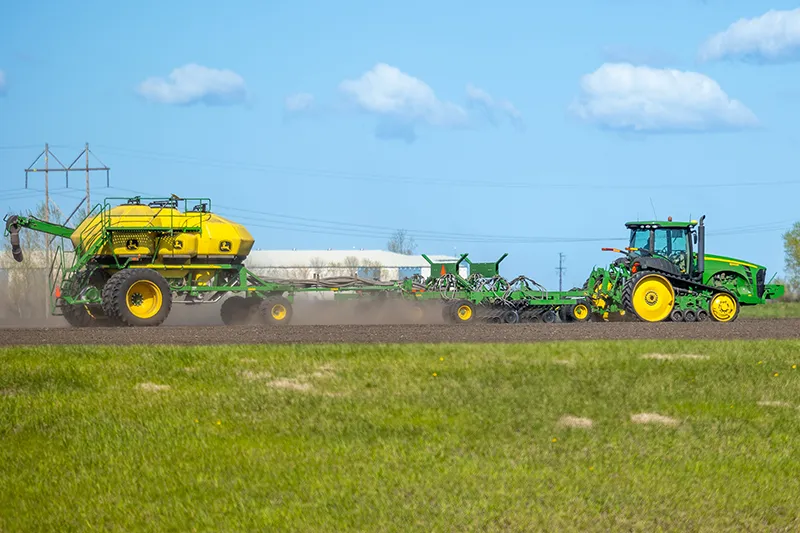
Greater Grand Forks is home to some of America’s richest farmland and leads the nation in food production and processing.
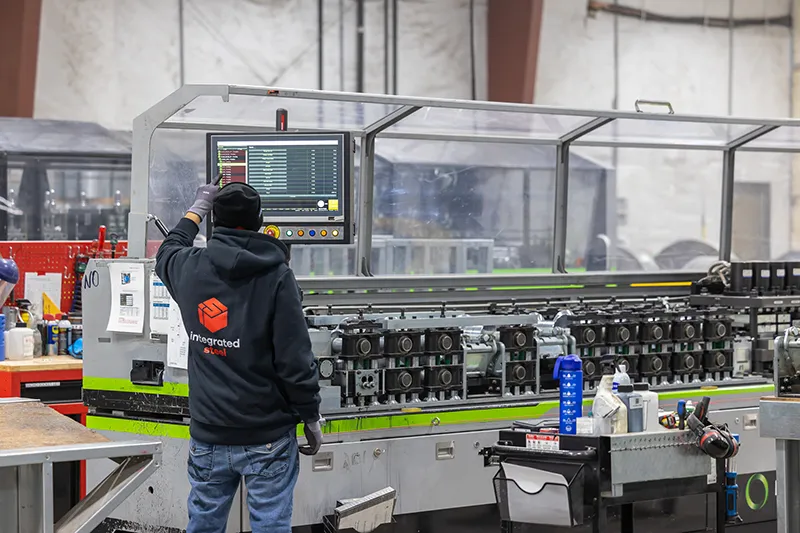
Our diverse manufacturing base spans across wind energy, oil and gas, aviation, construction, food, and automotive.

We’ve taken our pioneer spirit to a new level, leading the development of the most robust UAS ecosystem in the country.
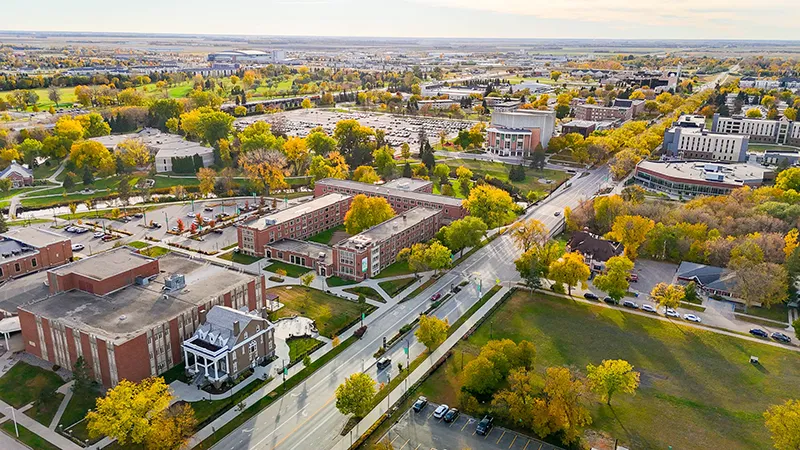
UND Strengths & Assets
In addition to the focus on these key sectors, the EDC will continue to maintain relationships with University of North Dakota researchers and institutions to support these key areas of opportunity:
- Autonomous systems
- National security & space
- Computational & data science
- Energy & environmental sustainability
- Human & rural health
Overarching Strategic Plan Outcomes
Over a 24-month period, the work of the EDC will result in the following outcomes related to primary sector investment from EDC clients and members.
15% primary sector wage growth
600 net new jobs created
18 expansion or establishment projects
$1 billion in capital expenditures
97% EDC client retention rate
$45 million added to the property tax base
EDC PRIMARY SECTOR BUSINESS DEVELOPMENT ACTION PLATFORM
I. ATTRACTION AND EXPANSION
The EDC provides economic development leadership for Grand Forks County and communities — supporting infrastructure readiness, client assistance, and a 24-month goal of supporting 18 projects in manufacturing, agribusiness, and autonomous and defense sectors.
- #1: Client Engagement
- #2: Site Selector Engagement
- #3: Economic Development Infrastructure
- Proactive BRE outreach to clients and members at least once per year.
- Support local companies in accessing state and federal programs.
- Build sectoral partnerships for manufacturing, agribusiness, and autonomous and defense sectors.
- Identify barriers to expansion through data and direct feedback.
- Build sustained relationships with site selection consultants and industry intermediaries.
- Maintain a digital building and site portfolio with accurate, investment-ready data.
- Host FAM tours to showcase regional assets and opportunities.
- Attend regional and national conferences in target sectors.
- Respond quickly and accurately to site selector inquiries and RFPs.
- Advance development of shovel-ready industrial sites aligned with target industry requirements.
- Advocate for infrastructure planning aligned with emerging industry needs.
- Provide leadership on infrastructure investments enabling primary sector growth.
II. Workforce Development
Workforce development is economic development. The EDC supports efforts to recruit, retain, and train talented people in the region, serving as a critical link between the business community and local training institutions.
- #1: Talent Attraction
- #2: Talent Retention
- #3: Skills Alignment
- Educate prospective residents about career opportunities and regional employers.
- Revamp GrandForksIsCooler.com as a front door for prospective residents.
- Utilize AI job-scraping tools for a one-stop source for EDC member job openings.
- Deploy national marketing in strategic talent markets.
- Educate employers about available talent attraction resources.
- Partner with regional institutions, workforce agencies, and industries on development and training opportunities.
- Support programming that connects young professionals, high schoolers, and college students with career opportunities.
- Create a future-ready workforce with skills aligned to regional strengths.
- Develop regional industry sectoral partnerships for talent attraction, recruitment, and alignment.
- Provide workforce data and intelligence to help partners understand labor market opportunities.
III. Marketing & Communications
Marketing and communications are a core EDC competency that supports all four action platform categories. The EDC will share stories of economic development and remain accountable to metrics and data while communicating its value proposition to members.
- #1: Site & Asset Promotion
- #2: Educate & Inform
- #3: Business Intelligence
- Create and implement a bi-annual marketing and communications plan.
- Maintain the LOIS mapping software portfolio of available sites and buildings.
- Develop and review marketing materials, including the EDC website, brochures, and photo and video assets.
- Produce and distribute the Top 10 and Support Spotlight newsletters, annual report, and digital content.
- Communicate EDC’s value proposition and ROI for member investors.
- Leverage events, media relations, and executive communications to raise EDC visibility.
- Maintain an active social media presence across relevant platforms.
- Showcase regional success stories and investment announcements.
- Maintain and refresh the Economy at a Glance dashboard with key economic indicators.
- Monitor target sector trends nationally and regionally to identify emerging opportunities.
- Utilize business intelligence tools to support site selector engagement and competitive positioning.
- Explore professional development in AI tools for economic development.
IV. Stakeholder Engagement
The EDC plays the role of a serial connector, fostering regional partnerships between the business community, area city and county governments, Grand Forks Public Schools, and the University of North Dakota. The EDC will continue to work to increase private sector investment in the organization.
- #1: Resource Development
- #2: Institutional Partnerships
- #3: Policy Advocacy
- Leverage board relationships to grow investor revenue 4% annually.
- Identify new opportunities for resource growth through board expertise.
- Explore grant opportunities that would bolster programmatic and operational budgets.
- Enhance internal frameworks and dashboards for transparent, measurable reporting.
- Strengthen coordination with UND to connect research capabilities with industry needs.
- Collaborate with local and regional governments on economic development alignment.
- Engage state and regional partners to position Grand Forks County in broader initiatives.
- Develop an annual economic impact report documenting client activity and job creation
- Advocate for pro-business policies and programs in primary sector industries.
- Support policies that strengthen the region’s leadership in autonomous systems and defense.
- Engage local, state, and federal stakeholders on the region’s legislative priorities.
- Provide data-driven insights to policymakers for informed decision-making.
CONTACT US
Want to learn more about strategic planning? Reach out to our team for answers to your questions.

Keith Lund
President & CEO
Phone: 701.746.2722
Email: KeithL@grandforks.org